
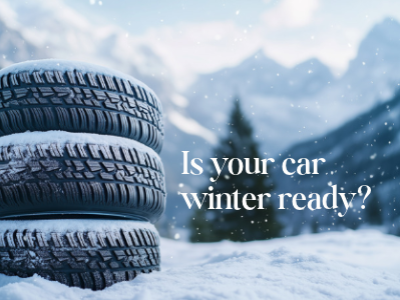
Winter-Proof Your Drive: A Simple Guide to Keeping Your Car Happy This Winter
From frosty windscreens and icy mornings to slippery roads and darker evenings, winter can put extra demands on both you and your vehicle.
The good news? Getting your car ready for winter doesn't have to be complicated or time-consuming.
Whether you drive a city-friendly Fiat, a family-focused Suzuki, or the latest Changan model, these winter car care tips will help you stay prepared for whatever the season brings.
1. Keep an eye on your tyres
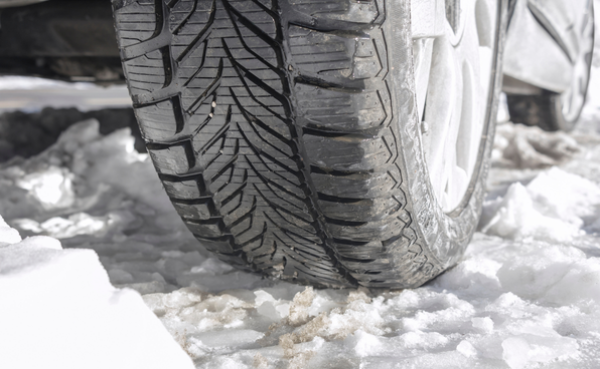
Your tyres are the only part of your car that actually touches the road, so making sure they're in good condition is particularly important during winter.
Wet, icy and slippery roads can make driving more challenging, which is why it's worth checking your tyres regularly.
Here's what to look out for:
- Tread depth: The legal minimum tread depth in the UK is 1.6mm across the central three-quarters of the tyre. However, having more tread can help improve grip in wet conditions.
- Tyre pressure: Cold temperatures can affect tyre pressures, so check they're inflated to the manufacturer's recommended levels.
- General condition: Look for cracks, cuts, bulges or anything unusual.
A quick tyre check could make all the difference when the weather takes a turn.
2. Check your battery before it checks out
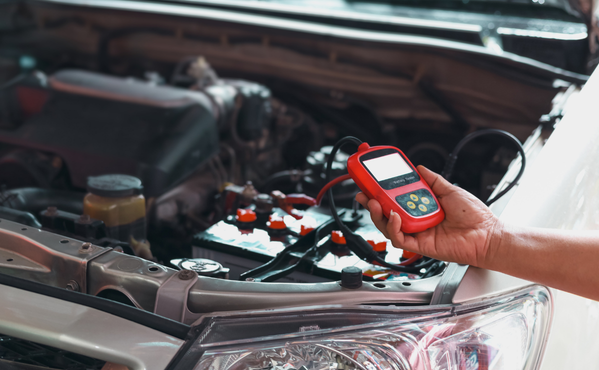
There's nothing quite like being greeted by a car that refuses to start on a freezing Monday morning!
Cold weather can put additional strain on your car battery, particularly if it's already getting older. Add in the extra use of heaters, heated seats, lights and heated windscreens, and your battery has plenty to deal with.
If your engine is taking longer than usual to start, or you notice your electrics aren't performing as they should, it could be worth having your battery checked.
For electric and hybrid drivers, remember that colder temperatures can also affect battery efficiency and driving range. Planning ahead and allowing for additional charging time can help keep your journeys running smoothly.
3. Make sure you can see and be seen
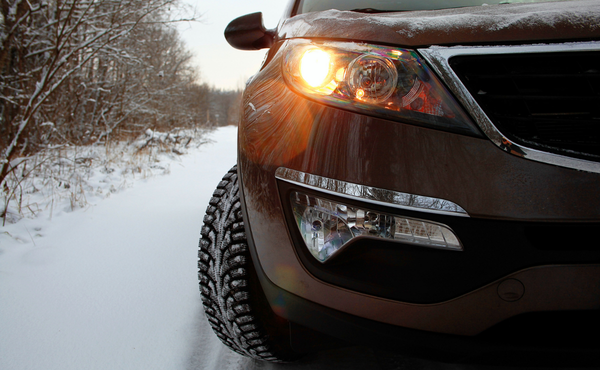
With shorter days and longer nights, chances are you'll be spending more time driving in the dark.
Good visibility is essential, not just for you but for everyone else sharing the road.
Take a few minutes to check that your:
- Headlights are working.
- Brake lights are functioning correctly.
- Indicators are working.
- Rear lights are visible.
- Fog lights are operational.
It's also worth giving your lights a quick clean, as winter road grime can build up surprisingly quickly.
Remember to use your fog lights only when visibility is seriously reduced and switch them off when conditions improve.
4. Don't forget your screenwash and windscreen wipers
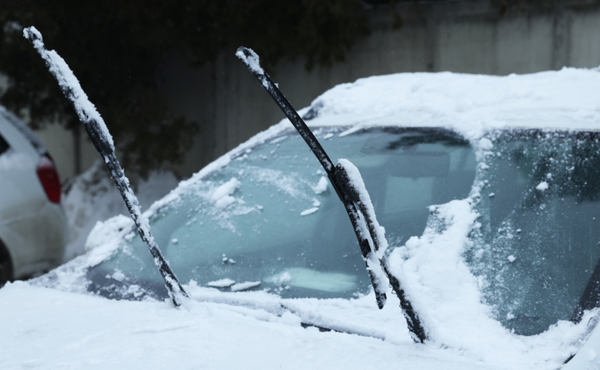
Winter roads can be particularly messy. Rain, mud, grit and road salt can quickly cover your windscreen, making it difficult to see clearly.
Make sure you:
- Top up your screenwash using a winter-grade formula with antifreeze protection.
- Check your windscreen wipers for cracks, splits or signs of wear.
- Make sure your wipers clear the screen effectively without leaving streaks.
- Check that your front and rear washer jets are working properly.
It's a small job that can make a big difference to your visibility.
Top tip: Keep an ice scraper and de-icer in your car. Your bank card isn't a substitute for an ice scraper, no matter how tempting it might be!
5. Fluids matter more than you think
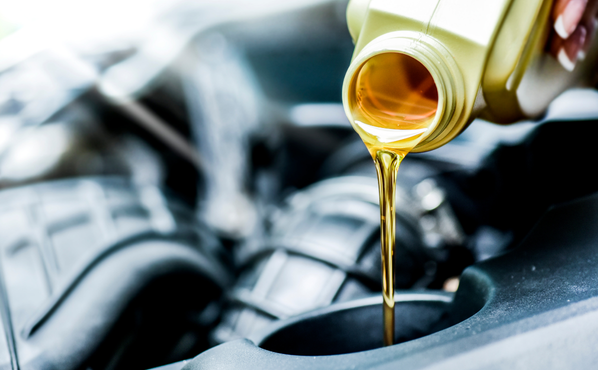
Your car's engine needs a little extra attention during colder months.
Make sure your engine oil is at the correct level and that you're using the recommended grade for your vehicle. You should also check your coolant level and ensure it contains the correct antifreeze mixture to protect against freezing.
If you're unsure what your vehicle requires, your owner's handbook is always a good place to start.
Never remove the coolant cap when the engine is hot, as the system can be under pressure.
6. Listen to your car
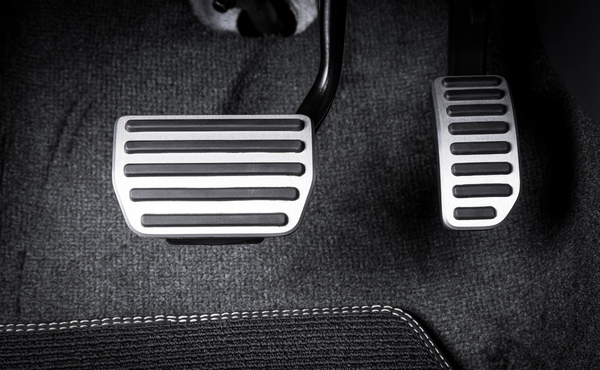
When roads become wet, icy or slippery, having brakes you can rely on is more important than ever.
Pay attention to any unusual noises, vibrations or changes in how your brakes feel. If your car pulls to one side when braking, or the brake pedal feels different, don't ignore it.
If you notice anything unusual, arrange for your braking system to be checked by a qualified professional.
Remember, stopping distances can increase significantly on slippery roads, so leaving plenty of space between you and the vehicle in front is essential.
7. Check your Heating and Demisting Systems
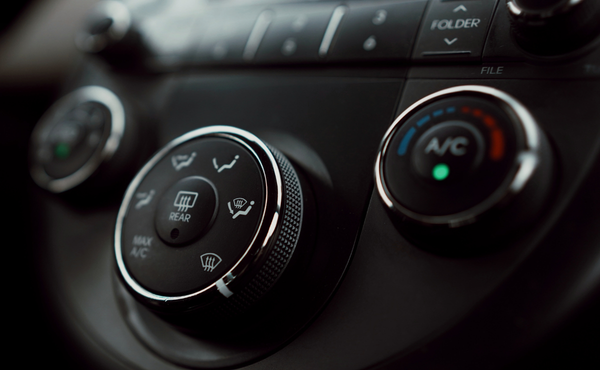
Nobody enjoys sitting in a freezing car waiting for the windows to clear!
Before the really cold weather arrives, check that your heating, ventilation and demisting systems are working properly.
Your front and rear heated screens, where fitted, should also be checked to make sure they're functioning as expected.
Keeping your windows clear isn't just about comfort; it's essential for maintaining good visibility.
And please remember, never set off until all your windows are completely clear of frost, ice and condensation.
8. Prepare a Winter Essentials Kit
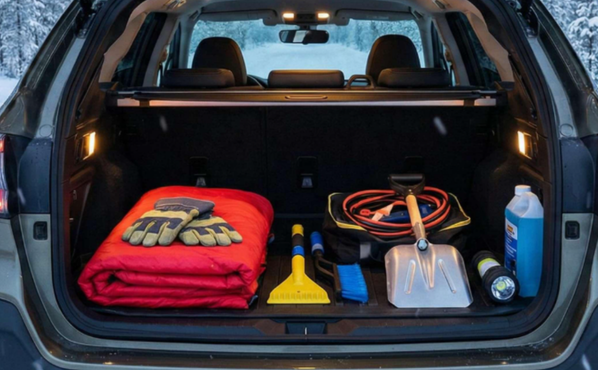
You never know when winter weather might cause an unexpected delay, so it's always worth keeping a few essentials in your boot.
We recommend putting together a small winter emergency kit containing:
- Ice scraper and de-icer.
- Warm blanket or extra clothing.
- Torch.
- Fully charged mobile phone and charging cable.
- Bottled water and a few snacks.
- First aid kit.
- Jump leads or a suitable jump starter.
- Hi-vis jacket.
You might not need everything every day, but if you ever find yourself stuck in traffic or waiting for roadside assistance, you'll be glad you packed it!
9. Adjust your driving for winter conditions
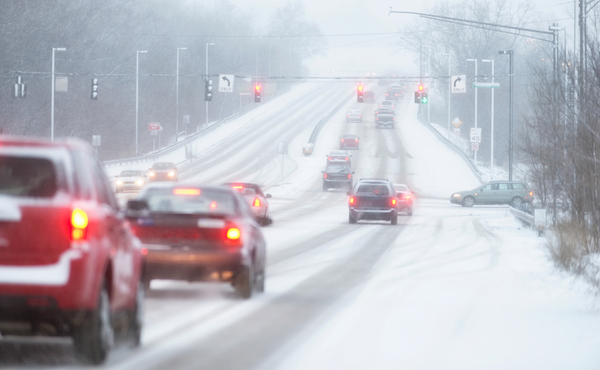
Even if your car is in perfect condition, winter roads require a little extra care.
Rain, frost, ice and snow can all affect how your car handles, so it's important to adapt your driving accordingly.
A few simple reminders:
- Slow down: Give yourself more time to react to changing road conditions.
- Leave more space: Increase the distance between you and the vehicle in front.
- Brake gently: Avoid sudden braking or sharp acceleration.
- Plan ahead: Check the weather forecast and traffic conditions before setting off.
- Be prepared: Allow extra time for your journey, particularly during frosty mornings.
If conditions are particularly dangerous, consider whether your journey is necessary.
10. Give your car a General Health Check
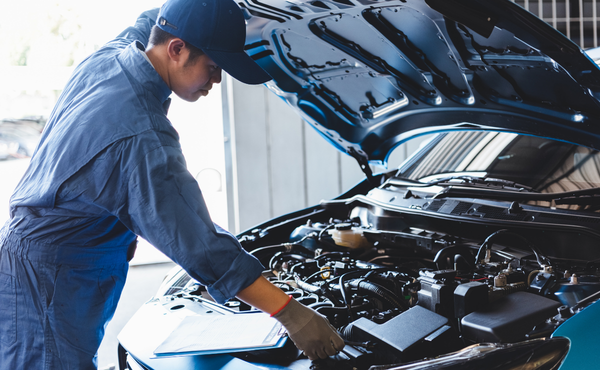
Finally, winter is a great reminder to give your car a little overall attention.
Check when your next service is due and make sure any existing warning lights, unusual noises or minor issues have been looked at.
A vehicle that's running as it should is much better prepared for the demands of winter driving.
It's also worth familiarising yourself with your car's handbook, particularly if you drive a hybrid or electric vehicle, as different models can have specific maintenance and cold-weather recommendations.
Ready, Set, Winter!
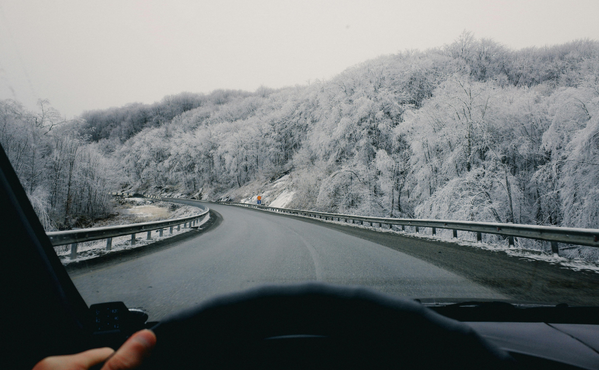
Getting your car winter ready doesn't need to involve a long list of complicated jobs. A few simple checks, a little forward planning and some sensible driving habits can help make all the difference.
Whether it's your daily commute, the school run, a weekend shopping trip or a longer family adventure, we want you to feel confident and prepared for whatever the British winter throws your way.
So, before the temperatures really start to drop, why not give your car a little winter MOT of its own?
Stay safe, stay warm and enjoy the journey!
From everyone at TJ Vickers.

Fill in your details below and a member of our team will be in touch

By providing your details you consent to us being able to contact you using the methods given above. Read more.
Fill in your details below and a member of our team will be in touch
By providing your details you consent to us being able to contact you using the methods given above. Read more.